1. Strength and Durability
HMPE:
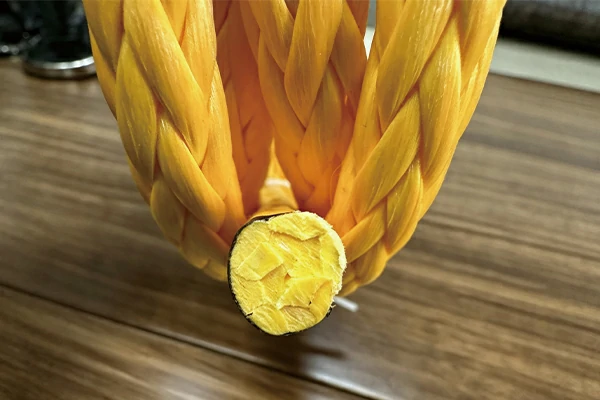
Offers the highest strength-to-weight ratio, comparable to steel cables.
Extremely resistant to abrasion, UV radiation, and chemicals.
Minimal elongation, maintaining stability under heavy loads.
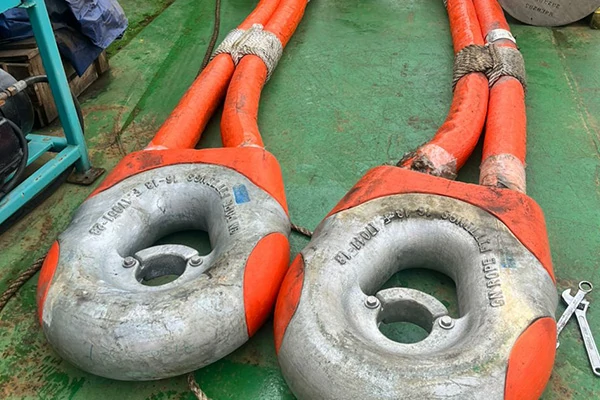
Best for high-performance tasks like marine mooring lines, offshore platforms, and heavy lifting.
Polypropylene:
Moderate strength, less durable than other materials.
Degrades with prolonged UV exposure and abrasion.
Floats on water, suitable for temporary or lightweight tasks like lifelines and swimming lanes.
Polyester:
High tensile strength with excellent resistance to UV, moisture, and abrasion.
Slightly higher stretch than HMPE but lower than nylon.
Widely used in sailing, rigging, and industrial applications due to its long-lasting performance.
Nylon:
Known for exceptional elasticity and shock absorption.
High strength, but absorbs water, which weakens its structure over time.
Ideal for dynamic applications like towing, anchoring, and climbing.
2. Weight and Handling
HMPE:
Extremely lightweight, making it easy to handle and transport.
Maintains flexibility and performance even in wet conditions.
PP:
The lightest material, buoyant, and easy to handle.
Ideal for casual and short-term use in recreational activities.
PET:
Heavier than HMPE and PP, but still manageable.
Remains flexible even after prolonged use.
Nylon:
Heaviest of the four, especially when wet.
Can become stiff over time with exposure to moisture.
3. Environmental Resistance
HMPE:
Excellent resistance to UV, chemicals, and water.
Suitable for harsh marine and industrial environments.
PP:
UV resistance is limited, and it degrades faster in sunlight.
Floats, but may lose strength over time in tough conditions.
PET:
Highly resistant to UV, moisture, and temperature changes.
Well-suited for prolonged outdoor use.
Nylon:
Poor resistance to UV and water.
More prone to degradation in marine environments.
4. Cost and Affordability
HMPE:
The most expensive due to its advanced properties and high performance.
Best for critical applications where safety and longevity are essential.
PP:
The most affordable option.
Suitable for budget-conscious tasks and temporary solutions.
PET:
Mid-range cost, offering excellent durability and value.
A reliable choice for industrial and marine use.
Nylon:
Moderate cost, slightly higher than PP but lower than HMPE.
Good for applications requiring flexibility and shock absorption.
5.Applications
HMPE:
High-stress tasks: mooring lines, heavy lifting, rescue operations, offshore platforms.
Industries: shipping,oil and gas, construction.
PP:
Recreational and temporary use: swimming lanes, camping, lifelines.
Budget-friendly applications in lighter marine tasks.
PET:
Sailing, rigging, industrial winches, and permanent mooring systems.
Outdoor applications needing durability and resistance to elements.
Nylon:
Towing, anchoring, climbing, and other dynamic load applications.
Common in industries requiring flexibility and energy absorption.
Conclusion
Selecting the right rope material depends on the specific needs of the task. HMPE ropes are unparalleled for strength and durability in demanding environments. PP ropes offer cost-effectiveness and buoyancy for lightweight, temporary uses. PET ropes strike a balance between performance and affordability, excelling in outdoor and industrial scenarios. Nylon ropes remain the best choice for dynamic applications where elasticity and shock absorption are critical.