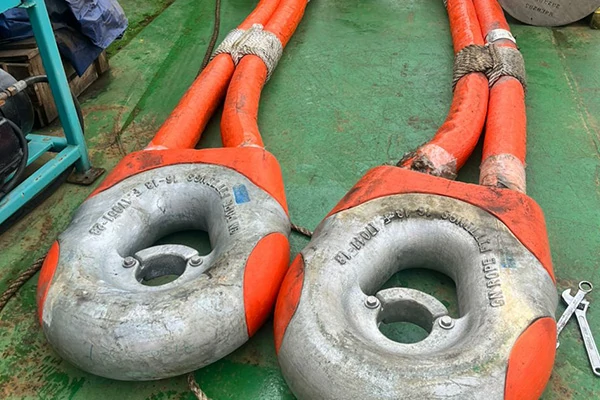
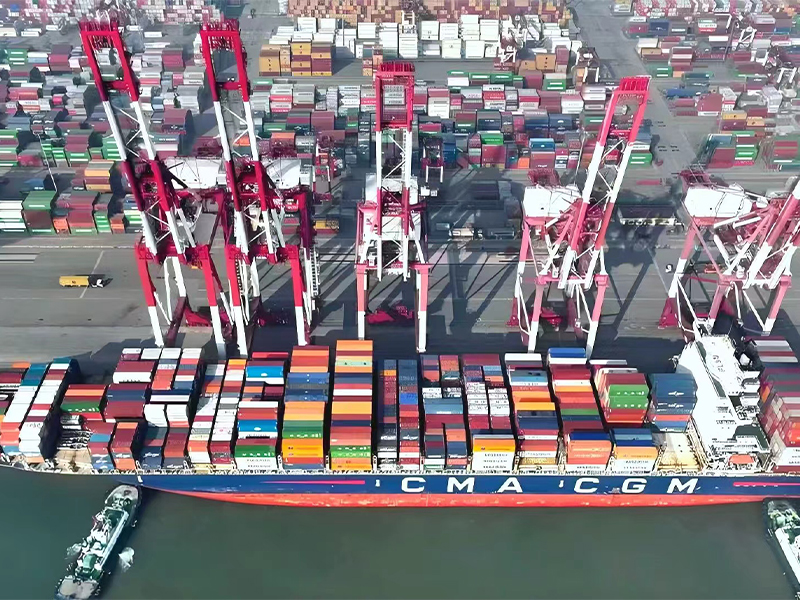
Barge mooring lines are essential for securing barges at docks, piers, and quays. They prevent drifting and ensure the barge remains in place during loading, unloading, or transit. These lines must withstand the harsh conditions of marine environments, including tides, currents, and strong winds.
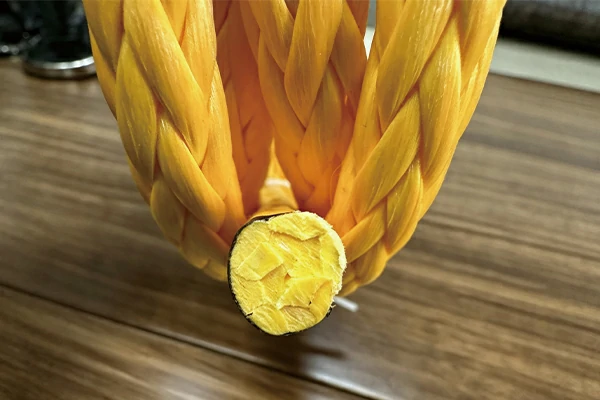
Typically made from high-strength synthetic materials like polyester, nylon, or HMPE, barge mooring lines are designed for durability. Polyester is especially preferred due to its low elongation, which helps the line maintain the barge’s position without excessive stretching. This reduces the risk of the barge shifting or drifting, especially in rough waters.
The ropes are also designed to resist abrasion, UV radiation, and seawater corrosion, ensuring a long service life even in constant exposure to the elements. Nylon mooring lines are known for their shock-absorbing qualities, making them ideal for absorbing the impact caused by tidal forces and sudden changes in the barge’s position. This feature reduces wear on the barge and dock, contributing to safer operations.
Another critical feature of barge mooring lines is flexibility. The ropes are flexible, making them easier to handle during docking and undocking procedures. This flexibility also ensures that the lines can be easily stowed and deployed, saving time and effort in high-pressure situations. Proper handling and care help ensure the rope remains in good condition, reducing the risk of accidents.
For optimal performance, regular inspection and maintenance of the mooring lines are necessary. Any signs of wear or damage should be addressed immediately. Protective coatings on some ropes can help extend their lifespan and improve their resistance to environmental damage.
In conclusion, barge mooring lines are crucial for the safe and efficient operation of barges in the maritime industry. Their durability, flexibility, and shock absorption capabilities make them essential for preventing accidents and ensuring stable docking in various marine conditions.