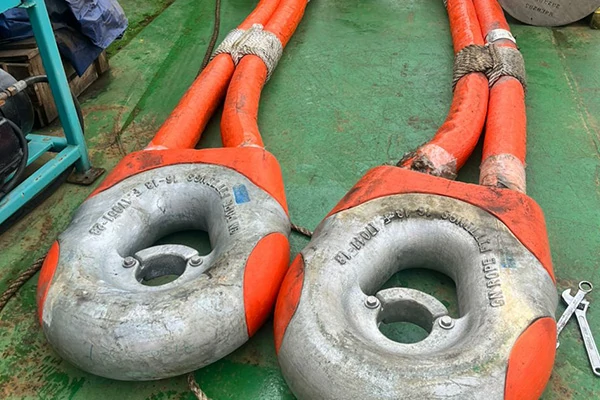
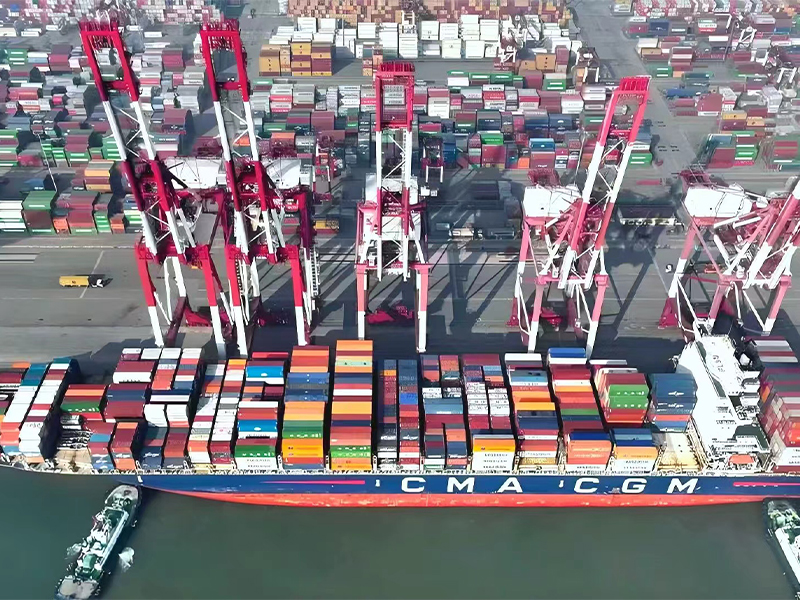
Marine towing rope plays a critical role in marine towing operations, where safety, strength, and reliability are essential. Whether used for ship assistance, offshore towing, or emergency rescue, selecting the right tow rope directly impacts operational efficiency and risk control.
Structure of Marine Tow Rope
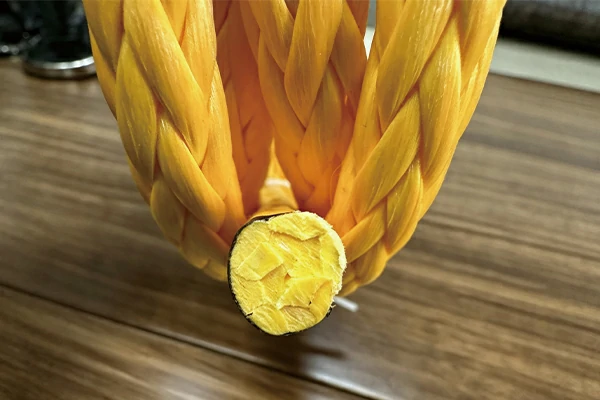
Marine tow ropes are typically constructed using multi-strand twisted or braided structures, such as 8-strand or 12-strand designs. Braided tow ropes offer higher strength and better load distribution, while twisted ropes provide easier handling and cost advantages. The rope structure is designed to balance flexibility, abrasion resistance, and controlled elongation, ensuring stable performance under dynamic towing loads.
Strength and Material Selection
The breaking strength of a marine tow rope depends on both material and construction. Common materials include polyester, nylon, polypropylene, and UHMWPE.
Polyester tow ropes offer excellent abrasion resistance and low elongation, making them suitable for continuous towing.
Nylon tow ropes provide higher elasticity, helping absorb shock loads during sudden tension changes.
UHMWPE tow ropes deliver extremely high strength-to-weight ratios and are increasingly used as lightweight alternatives to steel wire ropes.
When selecting a tow rope, it is essential to consider not only the minimum breaking load (MBL) but also the recommended safety factor, typically ranging from 5:1 to 7:1 for marine towing applications.
Safety Tips for Marine Towing
Proper use and maintenance are just as important as rope selection. Always inspect the tow rope for abrasion, broken yarns, or deformation before operation. Avoid sharp edges and ensure correct lead angles to reduce localized wear. During towing, never exceed the working load limit and keep crew members clear of snap-back zones. Proper storage away from UV exposure and chemicals can significantly extend the service life of marine tow ropes.
Choosing a reliable marine tow rope from an experienced manufacturer ensures consistent quality, tested strength, and compliance with international marine standards.