Selecting the right rope for marine mooring is essential to ensure safety, durability, and long-term performance in harsh ocean environments. Among the most widely used materials—nylon, polypropylene (PP), and high-density polyethylene (HDPE)—each offers distinct advantages. Understanding their differences can help you make a more informed buying decision.
Nylon Rope: Superior Strength for High-Load Mooring
Nylon rope is known for its exceptional tensile strength, shock absorption, and elasticity. These qualities make it ideal for mooring vessels exposed to constant wave impact or dynamic loads. Nylon performs well under heavy strain and resists abrasion effectively.
However, nylon absorbs more water compared to other materials, which can slightly reduce its strength during long-term submersion. It is also generally more expensive, but its reliability often justifies the cost for demanding marine applications.
Polypropylene Rope: Lightweight and Economical
Polypropylene rope is widely used due to its buoyancy and cost-effectiveness. It floats on water, making it easy to handle during docking or towing operations. Additionally, PP rope provides good resistance to chemicals and moisture.
The main limitation is its lower UV and abrasion resistance, which can lead to faster degradation if exposed to sunlight for extended periods. For small boats, temporary mooring, or budget-sensitive projects, polypropylene remains a practical option.
HDPE Rope: A Balanced Choice for Marine Durability
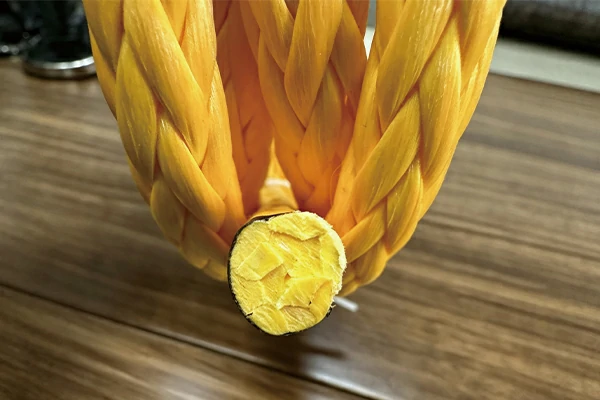
HDPE rope has gained popularity for marine mooring thanks to its high strength-to-weight ratio, excellent abrasion resistance, and minimal water absorption. It is more durable than polypropylene and more cost-efficient than nylon.
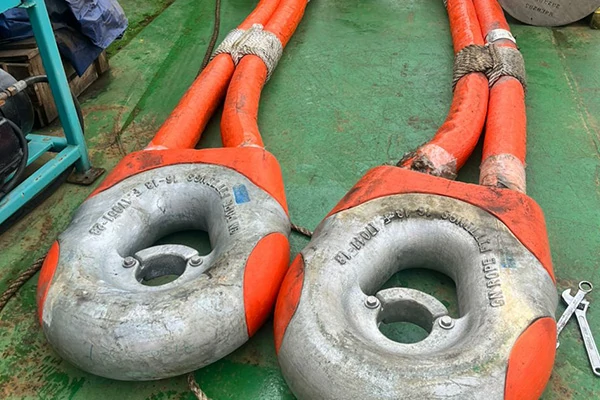
HDPE also maintains stability in extreme temperatures and has strong resistance to chemicals and UV exposure. These features make it a dependable choice for long-term mooring, offshore equipment, and general marine use.
Which Is the Best Choice?
- For maximum strength and shock absorption: choose Nylon
- For floating rope and low-cost applications: choose Polypropylene
- For overall durability, UV resistance, and value: choose HDPE
Ultimately, the best rope depends on your vessel size, environment, and performance expectations. For most long-term marine mooring needs, HDPE rope offers the most balanced performance.
Ready to Choose the Right Marine Mooring Rope? Contact us today for specifications, samples, or a customized quotation.